
Moving a Family Home in Park Slope? A Guide to Full-Service Packing, Moving, and Unpacking
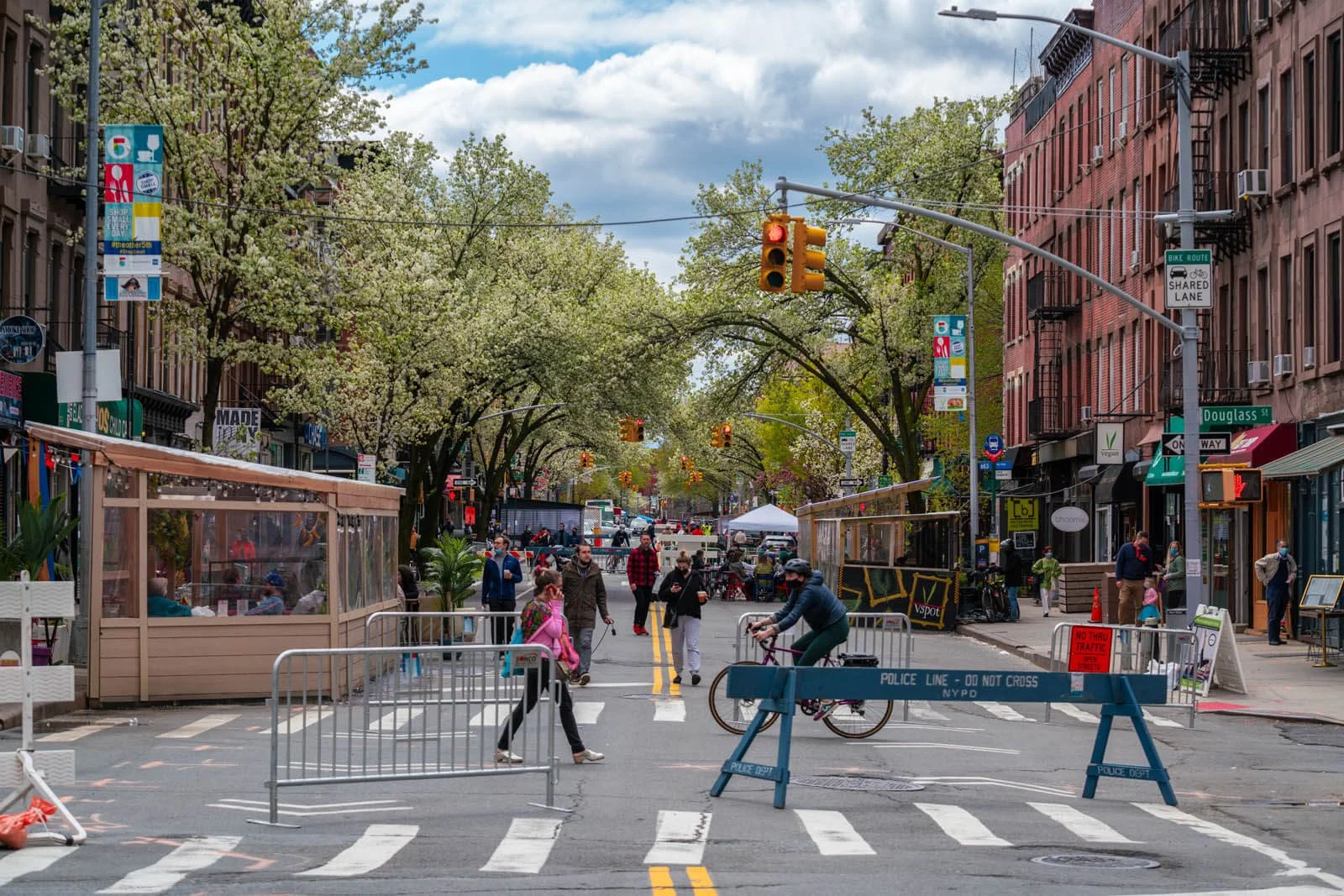
A family move can take over the calendar long before a truck arrives. There are kitchen cabinets to empty, children's rooms to sort, furniture to measure, and two addresses to coordinate. Meanwhile, work continues, school routines continue, and everyone still needs somewhere to sleep. For a busy household, full-service moving in Park Slope is worth considering because the packing and settling work can be just as demanding as transportation. The right plan starts with a clear description of what you want handled. Do you need every room packed? Will you prepare clothing and personal belongings yourself? Should the moving team assemble beds and unpack the kitchen, or simply place labeled cartons in the correct rooms? Those decisions shape the staffing, schedule, and quote. This guide explains how to plan a larger apartment or townhouse move, compare packing and moving services, and prepare for a first night that feels manageable. If you are considering Yes Yes Deliver for your Park Slope move, use these questions to describe your project and request a scope review. What full-service moving actually includes The phrase full-service moving does not describe one identical package across every provider. A proposal may include packing, cartons, furniture protection, loading, transportation, unloading, and basic furniture reassembly. Unpacking, detailed organization, and packaging removal may require separate arrangements. Start by dividing your move into three stages: preparing the home, transporting its contents, and making the next home usable. Then identify who owns each task. For example, packing the kitchen and unpacking it are separate pieces of work. Carrying a bed frame upstairs does not necessarily include assembling it. Putting clothing boxes in a bedroom does not mean filling the wardrobe. A useful written scope names the rooms, the major furniture, the packing responsibilities, and the destination services. It should also explain exclusions and how changes are handled. This gives your family a practical checklist and gives the crew a realistic assignment. Why a short Park Slope move can still be a substantial project Distance tells only part of the story. A move between nearby addresses can involve multiple floors, a large book collection, fragile kitchenware, several workspaces, and children's furniture. Those items still need preparation, handling, and placement regardless of how briefly the truck is on the road. Access matters at both homes. Explain whether the entrance is at street level, up a stoop, or through another approved route. Identify interior stairs, tight turns, elevator use, and the distance between the entrance and a lawful loading location. Photographs help, but a walkthrough provides more context for a larger household. Do not assume a destination will be easier because it has more space. A larger living room can still sit beyond a narrow doorway. A bedroom on another floor creates a different carrying route. Share these details before the estimate so the plan reflects the actual property. Build an inventory that shows the work A room count is a starting point, not a complete inventory. Two three-bedroom apartments can contain very different amounts of furniture and packing. Include closets, storage areas, outdoor pieces, and anything stored outside the main living space. Walk through each room with your phone and describe what is moving. Open cabinets and closets during the survey when appropriate. Point out furniture that separates into sections, items that may need tools, and pieces you are unsure will fit at the destination. Mention furniture you intend to sell before moving day, but update the inventory if those plans change. Use a simple destination label for each room. "Front bedroom" and "rear bedroom" are more useful than an unexplained "bedroom two." If children will switch rooms, label boxes for their new locations. The purpose is to reduce repeated questions while the team is carrying items inside. Choose between full packing and targeted packing Full packing may suit a household with little available preparation time. Instead of spending evenings collecting cartons and wrapping household contents, you reserve time to make decisions and separate personal essentials. The provider assesses the materials and labor needed for the agreed inventory. Targeted packing can work when you have time for simpler categories. You might pack clothing and toys while requesting help with the kitchen, books, lamps, and other fragile or awkward items. This arrangement needs a clear division of responsibility so neither side assumes the other is preparing a room. Ask what condition your self-packed boxes must meet and how their contents are treated under the mover's terms. Avoid open bags, overloaded cartons, and boxes without destination labels. Tell the estimator if packing progress falls behind. A revised plan before moving day is easier to manage than an unplanned kitchen still in use when loading begins. Create a family essentials zone Before packing starts, choose a clearly marked area for belongings that will travel with you. Include identification, important documents, necessary medication, chargers, keys, toiletries, clothing, and children's comfort items. Add whatever your household needs for breakfast and the next morning's routine. Keep the essentials area separate from the packing route. A sign on a door or a clearly identified suitcase is more reliable than mentioning a few loose items during a busy walkthrough. Tell the crew lead that this area is excluded from packing. Plan for children and pets while work is underway. A trusted adult or suitable arrangement away from the carrying routes can make the day easier. Your family should not have to search through sealed cartons for a favorite blanket while a team is trying to move a sofa through the same room. Decide whether packing and moving need separate days A single-day move may be possible when the inventory, access, crew, and packing scope allow it. A larger household may benefit from packing on one day and transportation on the next. Neither schedule should be promised from bedroom count alone. If packing happens the day before, agree on what remains available overnight. Beds, a bathroom kit, a few dishes, and a small selection of clothing may need to stay accessible. The plan should explain when those final items will be packed and how they will be identified for early access at the destination. For a two-day project, also confirm where packed goods will remain between workdays. Do not assume overnight truck storage is included or appropriate. Your proposal should describe the actual arrangement, access, and responsibility for the items throughout the move. Coordinate the buildings before confirming the timetable Ask both properties about permitted work hours, elevator reservations, protection requirements, and documentation. Requirements can differ between neighboring buildings. Even if your current home has a straightforward entrance, the destination may have a limited loading window. Identify the person who can approve access and provide instructions. Pass the requirements to the named service provider early enough for review. A request for a certificate of insurance should be checked against the building's exact wording and the provider's actual coverage; do not rely on an assumption that any certificate will be accepted. For household moves within New York, NYSDOT advises customers to verify that the carrying mover is licensed. Its consumer guidance also explains the importance of written moving documents and understanding the mover's liability. You can review that guidance at https://www.dot.ny.gov/divisions/operating/osss/truck/moving. Understand what affects a full-service moving quote The price of full-service packing and moving in Park Slope depends on the work requested and the conditions under which it happens. Packing volume, furniture handling, stairs, carrying distance, vehicle requirements, and destination setup all affect the plan. Ask the estimator to explain what the proposed price covers. Clarify cartons and materials, packing labor, transportation, furniture disassembly, waiting, unpacking, and removal of agreed packaging. Ask how additional inventory or a delayed building entry would affect the work and charges. Compare proposals using the same inventory and service checklist. A transportation-only estimate will naturally describe a different job from a proposal that includes two days of packing and settling assistance. The useful comparison is the cost of achieving the same outcome, with the same responsibilities clearly assigned. Plan the destination before the truck is unloaded Take photographs or sketch a basic furniture layout for the new home. Mark the bed wall, sofa position, dining area, and workspace. Measure important pieces and their intended locations before assuming an existing arrangement will transfer perfectly. Prioritize rooms your family will use immediately. For many households, that means bedrooms, one bathroom, essential kitchen storage, and a clear place to sit. Decorative items and low-priority storage can wait while the working areas become usable. If unpacking is included, agree on how placement decisions will be made. You can label a few shelves or leave simple notes without designing every drawer. Keep a "decision later" area for items whose final location is uncertain, so the team can continue without repeatedly interrupting you. Questions families ask about Park Slope packing and moving Can movers pack while we are still living in the home? Yes, packing can be planned around an occupied home when the scope and schedule allow. Explain what must remain usable, especially sleeping arrangements, bathroom access, and essential kitchen items. Keep personal necessities separate and confirm which rooms will be packed first. Does unpacking include putting everything away? Only if that work is specifically included. Some services remove items from cartons and place them on surfaces. Others include agreed shelf placement or room setup. Ask for a description of the result rather than relying on the word "unpacking." Should we get rid of unwanted furniture first? Decide what is leaving before the inventory is finalized whenever possible. Selling, donating, discarding, and moving are different tasks with different arrangements. Do not assume the moving crew will remove unwanted items unless that service has been discussed and confirmed. What if the new home is not ready? Tell the provider as soon as you know. A delayed key handover, unfinished work, or unavailable elevator can change the schedule. Storage and redelivery need their own arrangements; they should not be treated as automatic additions to a local move. Request a Park Slope family moving quote A useful quote begins with your addresses, preferred dates, room inventory, packing needs, access details, and desired setup at the destination. Photographs or a walkthrough help turn those details into a workable plan. Contact Yes Yes Deliver to discuss your Park Slope family move and request a review of the help you need. Explain whether you want full packing, selected rooms packed, furniture setup, or essential unpacking. Service availability, the responsible provider, building requirements, pricing, and the final scope should be confirmed before booking. The goal is a move planned around your household, with clear responsibilities from the first carton to the first night in your new home.
